%20132px.png?width=226&height=132&name=SBG%20Final%20(Solid%20B)%20132px.png)


Although the majority of police officers use vehicles for patrolling and response, many agencies...


A First for Law Enforcement: The Blazer EV PPV
The Chevrolet Blazer EV PPV is the first purpose-built police-package electric vehicle that is pursuit-rated. According to the EPA rating, a 2025 model year has a range of 297 miles. Due to the massive battery platform, a fully upfitted Blazer EV PPV will only lose an estimated 20 miles of range according to GM Envolve. GM knows this vehicle is a game-changer, bringing unprecedented features, power, and functionality in the first-of-its-kind all-electric police vehicle. The Blazer PPV has incorporated all the winning capabilities from GM Envolve’s traditional internal combustion engine (ICE) police portfolio while leveraging General Motors’ expertise with electric vehicles.
Built on the Ultium Platform
The Blazer PPV is built on the Ultium Platform, which is the foundation of GM’s EV strategy. The Blazer EV PPV has a 400-volt all-wheel drive propulsion system capable of 498 hp and 531 lb.-ft. of torque. The Ultium Platform architecture enables a near 50/50 front-to-rear weight distribution for the vehicle, providing a lower center of gravity, resulting in a vehicle that can meet the rigorous demands of law enforcement.
Performance and Purpose-Built Features
This purpose-built battery electric vehicle (BEV) boasts police features like a certified speedometer, heavy-duty suspension, underbody skid plates, and Firestone Firehawk pursuit tires mounted on 20-inch steel wheels to cover 6-piston Brembo front brake calipers. The vehicle has a projected top speed of 130 mph without aftermarket equipment.
Smart Access and Protected Idle
The Blazer EV PPV has 15.3-inch rotors for increased braking durability and performance to make it capable of handling tasks like high-speed pursuits with sudden stops. Remote start comes standard, along with remote keyless entry and a passive power mode. This allows officers to keep their remote fob fastened on their duty belt for an entire shift. By pressing the brake pedal when entering the vehicle, officers can start the vehicle using contactless ignition. The gear shifter operates only when the key fob is detected. Standard protected idle permits the vehicle to be unlocked and fully powered but unable to be driven without a remote key fob detected. Exiting the vehicle with the key fob will automatically arm the protected idle system. This allows officers to quickly get in and out of their vehicles in incidents where every second matters, such as foot pursuits.
Supporting K-9 units and Onboard Systems
Once activated, protected idle will keep the vehicle powered and unlocked so that the mounted computer and other emergency equipment will not require a reboot. This also allows K-9 vehicles to remain in power to ensure a comfortable interior for the K-9 officers. It is important to note that a low battery condition will not allow the system to activate.
Charging Capabilities and Battery Specs
The 105-kW battery allows for a GM-estimated range of 277 miles on a full charge with traditional emergency equipment, as noted above. A Level 2 240-volt plug-in charger comes standard with the vehicle; the ability to add 23 miles of range per hour at 32 amps is available with this charging option. A Level 2 hardwired 48-amp charger can add up to 37 miles of range per hour.
The Blazer EV PPV is capable of high-powered 19.2 kW 80-amp Level 2 charging with the ability to add up to 52 miles of range per hour. The vehicle is also designed to accept 400-volt DC fast charging at 190 kW, which can add up to 71 miles of range in 10 minutes, or 141 miles of range in approximately 30 minutes. Officers can regenerate energy back into the battery using a feature on the steering wheel that complements a one-pedal driving mode while reducing brake wear.
Powering Emergency Equipment
A standard 400-volt to 12-volt DC power module on the vehicle is dedicated to the demands of emergency equipment and is engineered for 100 amps of continuous load. Based on traditional emergency equipment, the Blazer EV PPV has a projected idle time of 20 to 50 hours on a single full charge. A standard rear-camera mirror allows for a wider, less obstructed rearview when compared to a traditional rearview mirror. This can help prevent obstructions from things like prisoner partitions, cargo barriers, or K-9 inserts.
Interior Technology and Controls
Additionally, an 8-inch screen displays the backup camera view while in reverse to assist officers. Every Blazer EV PPV has 10 switchable inputs and outputs. A graphical user interface is available to customize specific equipment needs with more than 150 operating parameters.
A heavy-duty vinyl steering wheel features two backside button switches that have been repurposed to operate upfitter-supplied emergency equipment like lighting. The vehicle is equipped with cloth police-specific front seats contoured to accommodate duty belts. The seats’ ergonomic design allows for quick and easy ingress and egress without concerns of snagging the duty belt or equipment.
Vehicle Configurations and Custom Options
Agencies can choose from the 9C1 model or the 9C3 model. The former has a frontline patrol interior, with cloth front and vinyl rear seating, as well as heavy-duty vinyl flooring, and a center console delete to make room for aftermarket equipment. The ladder has a civilian-style interior for law enforcement positions like supervisors or detectives. The Blazer EV PPV also provides adequate head and leg room for rear passengers when an aftermarket partition is installed, without sacrificing valuable space from the officers up front. New for 2025 is an additional street appearance package (5W4) that includes a 22-inch aluminum wheel and self-sealing tire available on the 9C3.
In the trunk, heavy-duty rear manual liftgate struts are designed for maximum head clearance. A rear cargo floor can be removed if more space is needed for aftermarket organizers or easier access to gear. Fleet managers can also choose a dealer-installed rear trailer hitch receiver and wire harness to accommodate patrol bicycle racks and radar, or traffic control trailers up to 1,000 pounds.
Case Study: Duluth Police Department's Transition to EVs
One agency that has experienced significant success with the Chevrolet Bolt SSV and the Blazer PPV is the Duluth Police Department in Gwinnett County, Georgia. Duluth is a city of 12 square miles, 65-mile take-home range from boundary to residence, with 68 sworn officers. Every officer gets a take-home vehicle so the idea of field testing some EVs was top of mind for Capt. Robert Montgomery, Support Services Divisional Commander, who oversees their Fleet Services.
Starting with Infrastructure and Pilot Programs
Back in 2021 at one of the government fleet conferences, Capt. Montgomery saw the advancements that were being made in electrification of vehicles and figured his Detective section would be a very good place to start a pilot program.
Montgomery was most impressed with the Beam Solar charger unit (https://beamforall.com/product/ev-arc/). Beam Global is the leading provider of innovative sustainable products and technologies for electric vehicle (EV) charging, energy storage, energy security, and outdoor media. Duluth PD already had a 240A circuit at headquarters that was being used to maintain the command vehicle.
Leveraging Funding and Partnerships
Georgia Power’s “Make Ready” program allowed Duluth PD to apply for infrastructure funding. All that is required is the agency applying must purchase the chargers and provide public access to some of those chargers, so they are not all just for police.
Montgomery also received allocation from a Special Purpose Local Option Sales Tax (SPLOST), which provides funding from a 1% sales tax. SPLOST funds are allocated to the police department for the purchase of new police vehicles and vehicle equipment.
Georgia Power Company did an energy draw assessment of the grid that supplies the Duluth Police Department HQ and advised that the department had enough available power for two Level 3 chargers, for a total of 60 kWh, and four Level 2 chargers for public access.
Benefits Beyond Charging
What’s also remarkably interesting and often not discussed is the effect of upgrading technology on the police department. What upgrading affects is the department’s ability to draw power from their grid. Georgia Power Company also told the department that when they do a much-anticipated building air-conditioning system upgrade, the newer A/C unit will be so much more efficient that it will significantly reduce the power consumption compared to the old A/C unit. The reduction in power usage will allow the DC fast charger (DCFC) to be increased to 120 kWh charging.
Georgia Power Company also provided turnkey logistics, which was a huge savings to the Duluth Police Department.
Early EV Adoption: Chevrolet Bolt SSV
Montgomery purchased four of the Chevrolet SSV Bolts as a start for his staff of eight detectives. Half of the detectives remained in ICE take-home vehicles and half in the new BEV take-home vehicles.
After the four Chevy Bolt SSVs arrived, four detectives were impressed, and they embraced the new BEVs. The Bolt SSV vehicles are typically charged at the police department throughout the day, while the detectives primarily do their work at the department’s HQ. The only lesson learned was they found the Level 2 chargers were not fast enough for the detectives, so the need for Level 3 chargers was confirmed.
After a few months, Montgomery did a review of how the BEVs were doing against the ICE vehicles in their detective pool. He found that all four BEVs cost him $200 per month total. In comparison, each single ICE vehicle costs him $250–$300 per month in fuel.
Moving Forward with the Blazer PPV
Recently, Montgomery added a fully outfitted marked Chevrolet Blazer PPV and assigned it to their Public Information Officer (PIO). The PIO position is operational, and the officer does respond to calls, but the position also has a fair number of administrative duties, which requires having the vehicle on a charger at HQ. The operational testing phase has seen some incredibly positive feedback, and this has initiated the purchase of more Blazer PPVs to be added to the detective pool. The next steps will be the introduction of the Blazer PPV operationally on the frontline patrol positions.
The Role of Training in Fleet Success
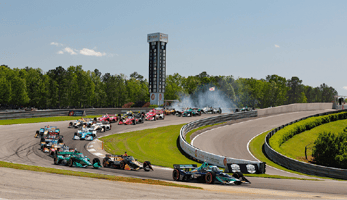
With any new platforms introduced into a police fleet, training is paramount. Officers operating the Blazer PPV will be required to attend an advanced pursuit driving class with the department’s EVOC instructors to learn the unique characteristics of the Blazer PPV. The training consists of six hours of classroom and practical training at Atlanta Motorsports Park or Road Atlanta.
In addition, Duluth PD has three electric Zero motorcycles for Park Patrol in operation. Clearly having the ability to assign each officer with a take-home vehicle helps with the integration of BEVs in frontline policing. This is another example of ingenuity and leveraging the available funding in the community while taking a measured approach to building appropriate infrastructure and infusing BEVs into various sections of operational law enforcement. GM Envolve has provided yet another cost-effective solution to police agencies across North America.